⚡ Year End Special Deals on Xeno Digital Locks | Limited Stocks – Shop Now! | 🔒 Save $50 on Xeno X Gate Lock – Code X50 |
🚪 Save $15 on Door Bottom Seal – Code SEAL15 |
🛡️ Save $50 on Alexi Pro Lock – Code PRO50| FREE Installation + Delivery Included in Every Xeno Year End Super Deal |
⚡ JULY LAUNDRY DEALS LIVE — Save $50 on Essential– Code XENO50 | Save $100 on Platinum– Code XENO100

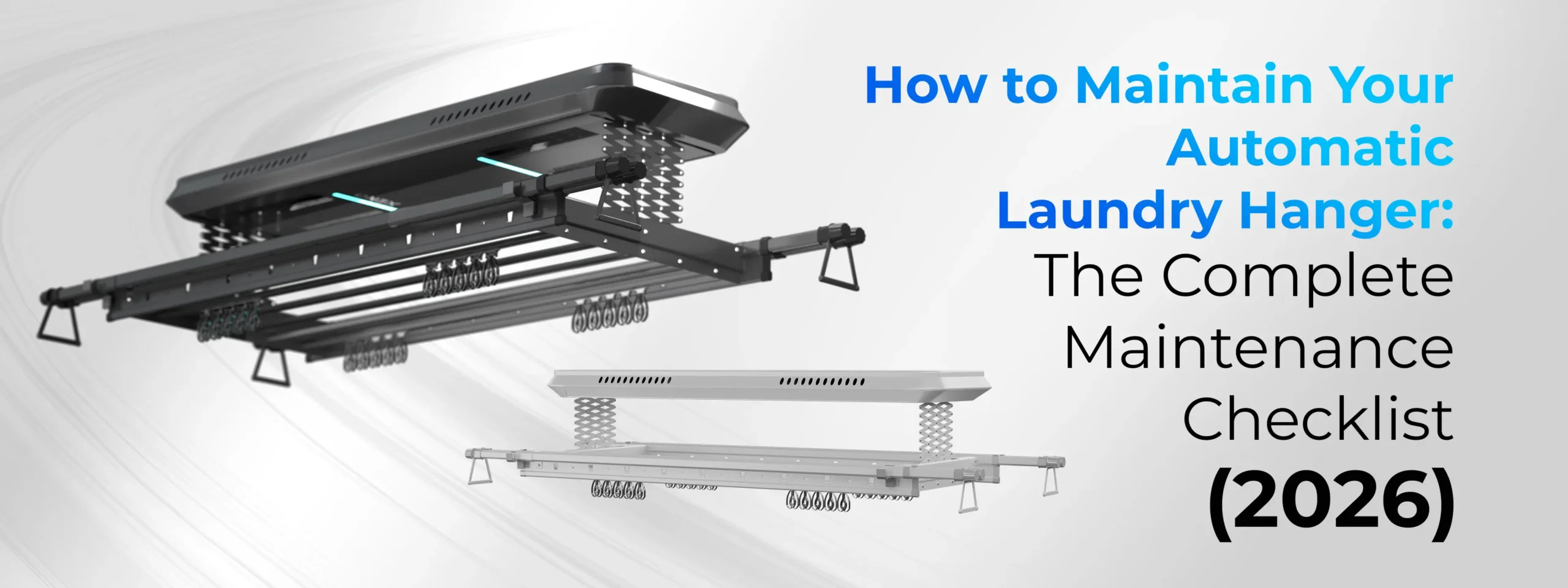
How to Maintain Your Automatic Laundry Hanger: The Complete Maintenance Checklist (2026)

Keep Your Automatic Laundry Hanger Performing Like New
An automatic laundry hanger is one of the most practical upgrades for modern homes. It helps homeowners save space, dry clothes more efficiently, and reduce the effort involved in daily laundry tasks. Whether you live in an HDB flat, condominium, or landed property, a smart laundry system can make laundry day significantly easier.
However, like any household appliance, regular maintenance is essential to keep it operating smoothly. Proper care not only helps maintain performance but can also extend the lifespan of your automatic laundry hanger for many years.
In this guide, we’ll share a complete maintenance checklist, common mistakes to avoid, and practical tips to help your automatic laundry hanger stay in excellent condition.
Why Regular Maintenance Matters
Many homeowners assume that automatic laundry hangers require little to no maintenance. While these systems are designed for durability, neglecting basic upkeep can lead to issues such as:
- Reduced lifting performance
- Unusual operating noises
- Dust accumulation on moving parts
- Reduced efficiency of drying functions
- Premature wear and tear
- Shorter product lifespan
Regular maintenance helps ensure smooth operation, improves safety, and protects your investment over the long term.
How Often Should You Maintain an Automatic Laundry Hanger?
The good news is that maintenance is relatively simple.
Recommended Schedule
| Maintenance Task | Frequency |
| Surface cleaning | Monthly |
| Dust removal | Monthly |
| Check remote control batteries | Every 3–6 months |
| Inspect lifting cables and rods | Quarterly |
| Test drying and lighting functions | Quarterly |
| Professional inspection | Annually |
Following a simple schedule can prevent minor issues from developing into costly repairs.
Monthly Maintenance Checklist
1. Clean the Hanger Rods
The rods are constantly exposed to moisture, dust, and detergent residue from clothing.
To clean them:
- Use a soft microfiber cloth
- Wipe down all exposed rods
- Remove dust buildup around joints
- Dry thoroughly after cleaning
Avoid abrasive pads or harsh chemicals that may damage protective finishes.
2. Remove Dust from the Main Unit
Dust accumulation can affect moving components and ventilation areas.
Use:
- A microfiber cloth
- A soft brush attachment on a vacuum cleaner
- A dry-cleaning cloth
Pay special attention to:
- Air vents
- Motor housing
- Lighting areas
- Control panels
3. Inspect for Loose Components
Perform a quick visual inspection.
Check:
- Screws
- Mounting brackets
- Extendable rods
- Remote control responsiveness
If you notice anything loose, arrange for servicing before the issue worsens.
Quarterly Maintenance Checklist
1. Test All Functions
Modern automatic laundry systems often include:
- Motorized lifting
- LED lighting
- Warm air drying
- Fan drying
- UV sterilization
- Voice control features
Run each function periodically to ensure everything is working correctly.
Watch for:
- Delayed responses
- Flickering lights
- Reduced airflow
- Unusual sounds
Early detection can prevent larger problems later.
2. Inspect Lifting Performance
Observe how the rack moves during operation.
Signs of potential issues include:
- Uneven lifting
- Jerky movement
- Slower operation
- Grinding sounds
These symptoms may indicate that the system requires professional inspection.
3. Check Load Distribution
Overloading is one of the most common causes of unnecessary strain on automatic laundry systems.
To reduce wear:
- Distribute clothes evenly
- Avoid concentrating heavy items on one side
- Follow manufacturer load limits
Balanced loading helps the motor operate efficiently and reduces stress on moving parts.
Annual Maintenance Checklist
Schedule a Professional Inspection
An annual inspection can help identify wear that may not be visible during routine cleaning.
A professional technician can check:
- Motor performance
- Electrical connections
- Mounting stability
- Internal components
- Safety features
This is particularly beneficial for households that use the system daily.
Common Maintenance Mistakes to Avoid
Overloading the System
Many homeowners assume that more clothes mean fewer laundry cycles.
Unfortunately, consistently exceeding weight limits can:
- Strain the motor
- Reduce lifespan
- Cause uneven operation
Always follow the recommended load capacity.
Using Harsh Cleaning Chemicals
Strong solvents and abrasive cleaners may damage finishes and sensitive components.
Avoid:
- Bleach-based cleaners
- Industrial degreasers
- Abrasive scrubbing pads
Instead, use mild cleaning solutions and soft cloths.
Ignoring Unusual Noises
A small noise today can become a major repair tomorrow.
Don’t ignore:
- Grinding sounds
- Clicking noises
- Vibrations
- Sudden changes in operation
Addressing issues early can help avoid more significant repairs.
Skipping Routine Cleaning
Singapore’s humid environment can contribute to dust buildup and moisture accumulation.
Regular cleaning prevents:
- Dirt accumulation
- Surface corrosion
- Reduced efficiency
- Premature wear
A few minutes of maintenance each month can make a significant difference.Maintenance Tips for Singapore Homes
Singapore’s climate presents unique challenges for household appliances.
Manage Humidity
High humidity levels can contribute to moisture buildup over time.
To protect your system:
- Ensure adequate ventilation
- Use dehumidifiers if necessary
- Keep the laundry area clean and dry
Prevent Salt Exposure in Coastal Areas
Homes located near coastal areas may experience increased salt exposure.
This can accelerate corrosion if not managed properly.
Regular wiping and cleaning help preserve metal components and maintain appearance.
Keep Renovation Dust Away
If you’ve recently completed renovation work, pay extra attention to cleaning.
Construction dust can accumulate in:
- Motor housing
- Air vents
- Moving components
A thorough cleaning after renovation helps maintain optimal performance.
Signs Your Automatic Laundry Hanger Needs Professional Servicing
Contact a professional technician if you notice:
- Uneven lifting
- Excessive noise
- Slow operation
- Unresponsive controls
- Electrical issues
- Drying functions no longer performing effectively
- Visible damage to components
Prompt servicing can often prevent more extensive repairs.
Choosing a Reliable Automatic Laundry Hanger
Maintenance becomes much easier when you invest in a quality system from the start.
Many homeowners choose Xeno automatic laundry systems because they are designed with durability, convenience, and everyday practicality in mind.
Features such as:
- Smart controls
- Durable construction
- Efficient drying functions
- User-friendly operation
- Reliable warranty coverage
can help ensure long-term performance while simplifying routine maintenance.
Frequently Asked Questions
- How often should I clean my automatic laundry hanger?
A basic cleaning once a month is generally sufficient for most households.
- Can I clean my automatic laundry hanger with water?
Use a slightly damp cloth for cleaning. Avoid spraying water directly onto electrical components.
- How long does an automatic laundry hanger last?
With proper maintenance and normal usage, a quality automatic laundry hanger can provide many years of reliable service.
- Why is my automatic laundry hanger making noise?
Noise may be caused by dust buildup, loose components, uneven loading, or wear that requires professional inspection.
- Can dust affect performance?
Yes. Excessive dust buildup can affect ventilation, moving components, and overall system efficiency.
- What should I do if the remote control stops responding?
Replace the batteries first. If the issue persists, consult the manufacturer’s support team.
- Can overloading damage the system?
Yes. Repeated overloading can strain the motor and shorten the lifespan of the unit.
- Are automatic laundry hangers suitable for Singapore’s climate?
Yes. They are particularly beneficial for Singapore homes, helping clothes dry efficiently even during humid or rainy periods.
Build Better Laundry Habits with Regular Maintenance
An automatic laundry hanger is designed to make everyday life easier, but regular maintenance is essential to keep it performing at its best. By following a simple maintenance checklist, cleaning key components regularly, and addressing issues early, homeowners can extend the lifespan of their system and enjoy reliable performance for years to come.
A few minutes of upkeep each month can help protect your investment, improve efficiency, and ensure your laundry system continues to operate smoothly in Singapore’s demanding climate.