⚡ Year End Special Deals on Xeno Digital Locks | Limited Stocks – Shop Now! | 🔒 Save $50 on Xeno X Gate Lock – Code X50 |
🚪 Save $15 on Door Bottom Seal – Code SEAL15 |
🛡️ Save $50 on Alexi Pro Lock – Code PRO50| FREE Installation + Delivery Included in Every Xeno Year End Super Deal |
⚡ JULY LAUNDRY DEALS LIVE — Save $50 on Essential– Code XENO50 | Save $100 on Platinum– Code XENO100

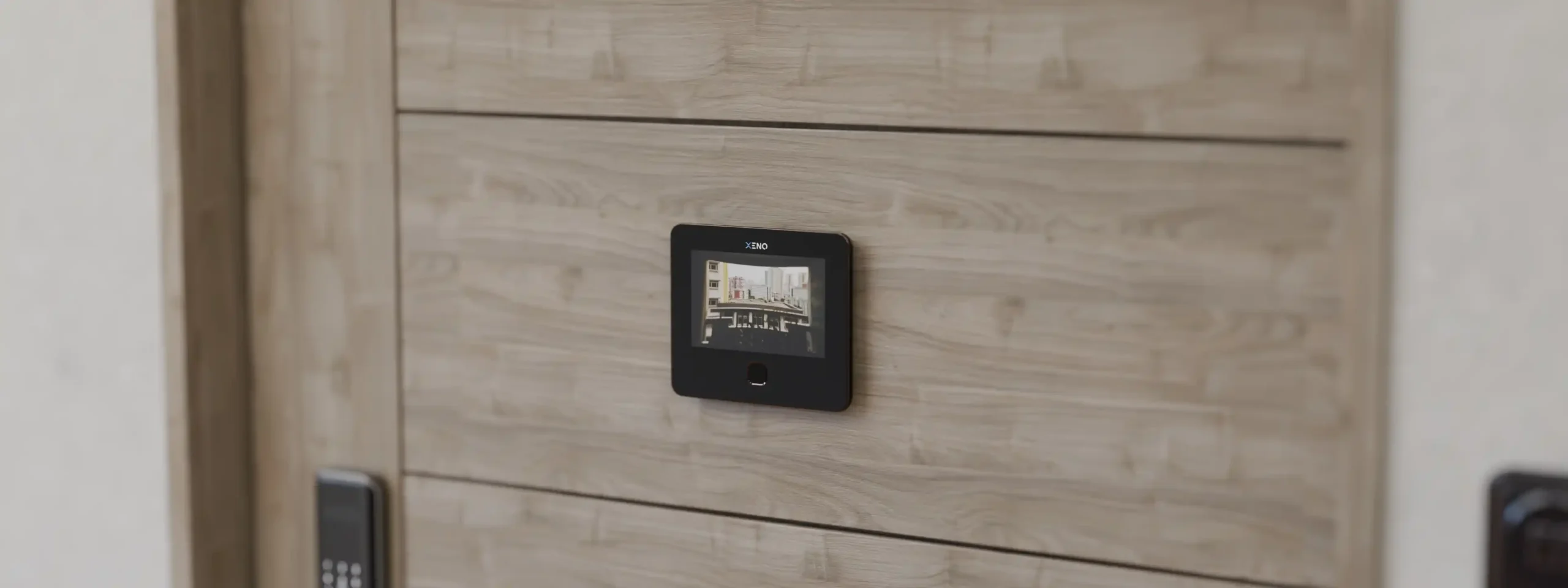
Digital Door Viewer vs Traditional Peephole: Which Is Best for Singapore Homes?

Your front door is your home’s first line of defense against intruders, and knowing who’s outside is critical for safety. For decades, traditional peepholes have been the go-to solution, but modern technology has introduced digital door viewers (also called smart peepholes or door cameras) as a high-tech alternative. Both options have pros and cons—so how do you choose? In this guide, we’ll compare digital door viewers and traditional peepholes to help you decide which best suits your home security needs.
What is Digital Door Viewers?
Digital door viewers are smart devices that replace or augment traditional peepholes. They typically include a camera, motion sensors, and a screen or app for remote viewing. Popular models like Ring Peephole Cam or Eufy Security Smart Drop connect to your smartphone and offer advanced features.
Pros of Digital Door Viewers:
- Wide-Angle View: Many offer 160–360° views, eliminating blind spots.
- Remote Access: Check who’s at the door via your phone, even when you’re not home.
- Motion Alerts & Recording: Receive notifications and save footage of suspicious activity.
- Night Vision: See visitors clearly in low-light conditions.
- Two-Way Audio: Speak to delivery drivers or deter trespassers.
- Accessibility: Adjustable screen height and remote access make them inclusive.
Cons of Digital Door Viewers:
- Higher Cost: Ranges from 50–50–300+ depending on features.
- Power Dependency: Requires batteries or wiring (some models need frequent charging).
- Installation Complexity: May need professional help for drilling or wiring.
- Privacy Concerns: Hacking risks with Wi-Fi-enabled devices.
What is Traditional Peepholes?
A traditional peephole is a small fisheye lens installed in a door, allowing you to see outside at a 180-degree angle. It’s a simple, mechanical tool with no electronic components.
Pros of Traditional Peepholes:
- Affordable: Costs as little as 5–5–20.
- No Power Required: Works without electricity or Wi-Fi.
- Easy Installation: Most DIYers can install one in minutes.
- Low Maintenance: No software updates or batteries to replace.
Cons of Traditional Peepholes:
- Limited Visibility: Requires you to stand directly in front of the door.
- No Recording: Can’t capture footage of visitors.
- Vulnerable to Tampering: Intruders can cover or disable the lens.
- Accessibility Issues: Difficult for children, wheelchair users, or those with mobility challenges to use.
Key Factors to Compare
- Field of View
- Traditional: Fisheye lens offers ~180° but forces you to press your eye to the door.
- Digital: Wider angles (up to 360°) with no need to lean in. Some models split the screen to show multiple angles (e.g., packages on the ground).
Winner: Digital door viewers for versatility.
- Safety & Security
- Traditional: Vulnerable to “peephole reversals” (intruders using devices to see inside).
- Digital: Tamper-resistant designs, encrypted footage, and motion-activated alerts deter criminals.
Winner: Digital door viewers for advanced protection.
- Installation
- Traditional: Drill a hole, insert the lens, and you’re done.
- Digital: May require wiring, smartphone setup, and compatibility checks with door thickness.
Winner: Traditional peepholes for simplicity.
- Cost
- Traditional: 5–5–20 for basic models.
- Digital: 50–50–300+ (plus potential subscription fees for cloud storage).
Winner: Traditional peepholes for budget-friendly options.
- Convenience
- Traditional: Only works when you’re home and physically at the door.
- Digital: Check visitors remotely, save footage, and integrate with smart home systems (e.g., Alexa or Google Home).
Winner: Digital door viewers for modern convenience.
When to Choose a Traditional Peephole
- Renters: Landlords may not allow permanent modifications.
- Low-Tech Users: Ideal for those who prefer simplicity.
- Emergency Backup: Pair with a digital viewer for redundancy.
When to Choose a Digital Door Viewer
- Frequent Travelers: Monitor deliveries or suspicious activity remotely.
- High-Crime Areas: Motion alerts and recordings provide evidence for police.
- Smart Homes: Sync with door locks, lights, or alarms for automated security.
- Accessibility Needs: Great for elderly residents or those with disabilities.
Hybrid Solutions
Can’t decide? Some companies offer “peephole cameras” that attach to existing peepholes without replacing them. Examples include the Ring Peephole Cam or August View, which combine the simplicity of traditional peepholes with smart features.
Installation Tips for Both Options
- Height Matters: Position peepholes 58–60 inches from the floor for average adults.
- Test Before Finalizing: Ensure digital viewers aren’t blocked by door frames or decorations.
- Weatherproofing: For outdoor digital cameras, choose weather-resistant models (IP65+ rating).
Privacy Considerations for Digital Viewers
- Opt for brands with end-to-end encryption.
- Regularly update firmware to patch vulnerabilities.
- Use strong passwords and two-factor authentication.
Final Verdict
Choose a traditional peephole if:
- You want a cheap, no-fuss solution.
- Your door can’t support wiring or heavy tech.
Choose a digital door viewer if:
- You prioritize advanced security features.
- Remote access and smart home integration are important.
Frequently Asked Questions About Digital Door Viewers and Peepholes
What is a digital door viewer?
digital door viewer is an electronic device that replaces or upgrades a traditional peephole by using a camera and LCD screen to show who is at the door. Most models feature motion detection, night vision, and remote viewing via a smartphone app — offering far more security than a standard fisheye lens.
Do peepholes work both ways?
Standard peepholes only allow viewing from inside. However, a reverse peephole viewer device can be used by an outsider to see into your home. Digital door viewers eliminate this risk, as they use an opaque screen instead of a transparent lens — making reverse-viewing impossible.
What is the standard height for a door viewer or peephole?
The standard height for a door peephole or digital door viewer is 58–60 inches (approximately 147–152 cm) from the floor — eye level for an average adult. For HDB flats in Singapore, this is typically the pre-drilled height, and most digital door viewers are designed to fit existing peephole holes.
Is a digital door viewer worth it for a Singapore HDB flat?
Yes. Digital door viewers are compatible with standard HDB door hole diameters (14mm) and don’t require major drilling. They’re particularly valuable in high-density environments where knowing who’s at the door before opening it is a key safety habit. Prices start from around SGD 80–150 for entry-level models.
What is the difference between a digital door viewer and a video doorbell?
digital door viewer replaces the existing peephole and is viewed on a built-in screen or phone app. A video doorbell is mounted beside the door and requires a doorbell wiring setup or battery. Door viewers are better for renters or HDB residents who can’t install a full doorbell; doorbells typically offer better video quality and two-way audio.
Can a digital door viewer be hacked?
Wi-Fi-enabled digital door viewers carry some hacking risk if not secured. To minimize risk: choose models with end-to-end encryption, update firmware regularly, use a strong Wi-Fi password, and enable two-factor authentication if available.