🌟 Celebrate Hari Raya with Smarter Security 🔥 | FREE Letter Box Lock Included in Every Xeno Bundle Deal | Order Now Before Raya |
🔒 Save $50 on Xeno X Gate Lock – Code X50 |
🚪 Save $15 on Door Bottom Seal – Code SEAL15 |
🛡️ Save $50 on Alexi Pro Lock – Code PRO50

2 Years Since SCDF’s Digital Lock Rule. Here’s What Actually Happened.

Shocking Truth: Singapore Fire Incidents After 2 Years of Digital Lock Rule
On 1 March 2024, Singapore mandated fire-rated digital locks on all fire doors. It’s now March 2026 — exactly two years later. The fire incident data paints a picture every HDB and condo owner needs to see.
March 1, 2024 → March 1, 2026
It has been exactly 2 years since SCDF mandated fire-rated, COC-certified digital locks for all fire-rated doors in Singapore.
What Happened on 1 March 2024?
The Singapore Civil Defence Force announced a regulation that every homeowner with a fire-rated digital lock needs to understand. In simple terms: if your HDB or condo main door is a fire-rated door, the digital lock on it must also be fire-rated and certified with a valid Certificate of Conformity (COC) to SS 332 / EN 1634-1 standards.
Why does this matter? A fire-rated door is specifically designed to delay the spread of fire from one unit to the corridor and neighbouring homes. It buys critical time — typically 30 to 60 minutes — for residents to evacuate and for SCDF fire officers to arrive, which usually takes 5 to 10 minutes. But if you install an uncertified digital lock for fire-rated door that fails under heat, the entire door system is compromised. Fire can breach the door faster. Smoke spreads into the common corridor. Neighbours are put at risk.
“Fire-rated doors are used to minimise fire spread within buildings. If uncertified hardware is installed on a fire door, this may affect the door’s ability to minimise fire spread.”
— SCDF Official Advisory on Digital Locksets
Then on 9 October 2024, HDB tightened the rules further. The updated circular now requires all digital locksets to carry COC certification — not just those on fire-rated doors. This was a clear message from the Singapore government: non-compliant, untested digital locks are a fire safety risk that can no longer be ignored.
Singapore Residential Fire Incidents: The Real Numbers
This is the data that matters. All figures below come directly from SCDF annual statistics and MHA parliamentary records. These are not estimates — they are the official numbers reported by the Singapore government.
Total Fires (2024)
1,990
1.8% increase from 2023
Total Fires (2025)
2,050
3% increase from 2024
Residential Fires 2024
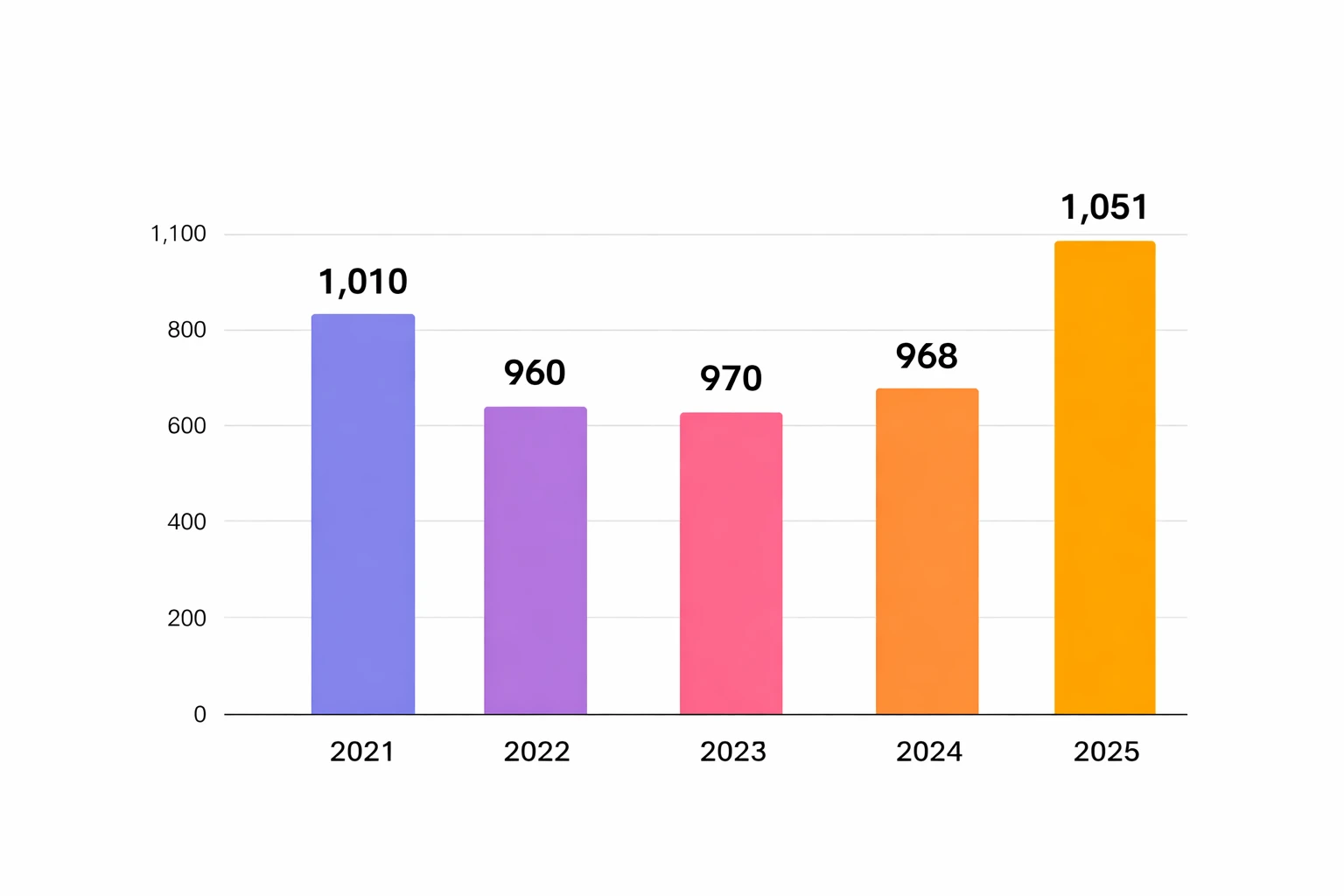
968
Nearly half of all fire calls
Residential Fires 2025
1,051
8.6% rise year-on-year
Let those numbers sink in. In the two years since the SCDF digital lock regulation took effect, Singapore saw a combined total of over 4,000 fire incidents — with more than 2,000 of those in residential buildings alone. That’s roughly 3 home fires every single day.
Year-by-Year Breakdown: 2024 vs 2025
| Category | 2024 | 2025 | Change |
| Total Fire Incidents | 1,990 | 2,050 | ↑ +3% |
| Residential Building Fires | 968 | 1,051 | ↑ +8.6% |
| Fire-Related Injuries | 80 | 94 | ↑ +17.5% |
| Fire Fatalities | 7 | 6 | ↓ -1 |
| Electrical Fires (Residential) | 299 | 304 | ↑ +1.7% |
| AMD-Related Fires (e-bikes, PMDs) | 67 | 49 | ↓ -26.9% |
| Fires as % of Total Dwelling Stock | — | 0.065% | ↓ from 0.067% (2021) |
Source: SCDF Annual Statistics 2024 & 2025, MHA Parliamentary Records (March 2026)
Residential Fires vs Total Fire Calls
2024
2025
The pattern is clear. More than half of all fires in Singapore occur in residential buildings — HDB flats, condos, and landed homes. The top causes remain unattended cooking and electrical faults, including overloaded sockets and faulty wiring. Between 2020 and 2024, these two causes were responsible for the majority of HDB fire incidents that resulted in deaths and injuries, according to MHA’s parliamentary reply in September 2025.
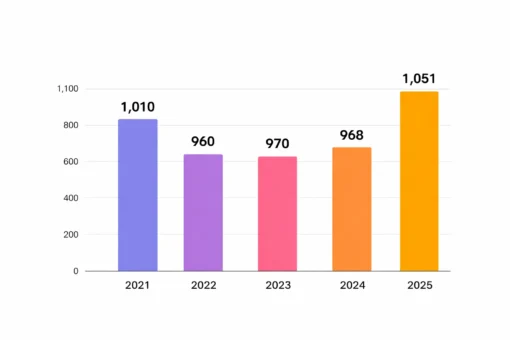
Yearly residential fire trend chart (2021–2025)
When Fire Hits Home: Real Incidents from 2024–2026
Behind every statistic is a real family, a real home, and real consequences. These are some of the Singapore residential fire incidents reported over the past two years that show exactly why fire safety — including your choice of digital lock — cannot be taken lightly.
Incidents That Shook Singapore
January 2025 — Hougang, Block 971: A fire in a third-floor HDB unit killed a married couple and their teenage daughter. An entire family of three, gone in one incident. SCDF confirmed this as one of the six fire fatalities recorded in 2025.
July 2025 — Toa Payoh, Block 229: A blaze on the 10th floor engulfed an entire unit and spread vertically to the 11th floor. Seven people were sent to hospital — including neighbours from adjacent units, a child, and a firefighter who sustained injuries during rescue operations.
August 2025 — Bukit Merah HDB: A personal mobility device (PMD) caught fire inside a flat. A couple in their 30s lost their lives. SCDF has repeatedly warned that AMD fires in confined home spaces are especially dangerous because flames spread rapidly.
March 2026 — Bukit Batok, Block 465A: A fire in a second-floor living room forced the evacuation of 60 residents from the block. Two people were taken to hospital. The cause is under investigation.
In each of these cases, SCDF fire officers responded swiftly — typically within minutes. But those first 5 to 10 minutes before officers arrive are when a fire-rated door and a certified lock play their most critical role: keeping fire contained within the unit and preventing smoke from spreading into corridors where neighbours evacuate.
Can Fire Spread to Neighbouring Units?
This is a question every HDB homeowner asks: “If my neighbour’s flat catches fire, will it reach my unit?”
According to an MHA parliamentary reply (2022), there have been no recorded cases of lateral fire spread between HDB units — meaning fire has not jumped sideways from one flat to the next. This is because HDB units are designed as fire compartments, with walls and doors rated to contain fire within the unit.
However, vertical fire spread has occurred. In three incidents between 2020 and 2022, fire travelled upward and affected units up to two floors directly above the affected flat. The July 2025 Toa Payoh incident showed exactly this pattern — fire moved from the 10th to the 11th floor.
And even when flames don’t physically reach your unit, smoke inhalation remains a serious threat. SCDF data shows smoke inhalation injuries occurred in nearly 5% of HDB fire incidents since 2020. In the Toa Payoh fire, three neighbours who were not in the burning unit were hospitalised for smoke inhalation. This is precisely why a functioning fire-rated door with a COC-certified digital lock matters — not just for your own unit, but because it helps contain the fire and smoke until SCDF arrives.
Why Are Homeowners Still Installing Uncertified Locks?
Despite two years of clear government mandates, plenty of Singapore HDB and condo owners continue to install digital locks that carry no fire rating, no COC, and no certification from any recognised body. The reasons are predictable — but the consequences are serious.
5 Reasons Homeowners Choose Wrong
- Chasing Low Price: A non-certified digital lock can cost $100–$200 less than a fire-rated one. Many homeowners see the short-term saving. They don’t consider that their door’s fire containment ability is now compromised.
- Simply Not Aware: A large number of homeowners have no idea the March 2024 or October 2024 SCDF regulations even exist. They rely on whatever the contractor suggests without ever asking for a COC certificate.
- Misleading Product Claims: Some sellers label their locks “fire-resistant” or “heat-proof” without holding any actual COC certification. These are marketing descriptions, not verified safety approvals. There is a difference between a claim and a certificate.
- Online Marketplace Risk: Shopee, Lazada, and Carousell are full of attractively priced digital locks with no certification documentation. Buyers check star ratings and reviews. They rarely check for SS 332 / EN 1634-1 compliance.
- Installer Negligence: Some contractors use whichever lock gives them the highest margin — not the safest option. Unless the homeowner specifically demands COC documentation, compliance is often overlooked.
What Happens When a Non-Certified Lock Faces Fire?
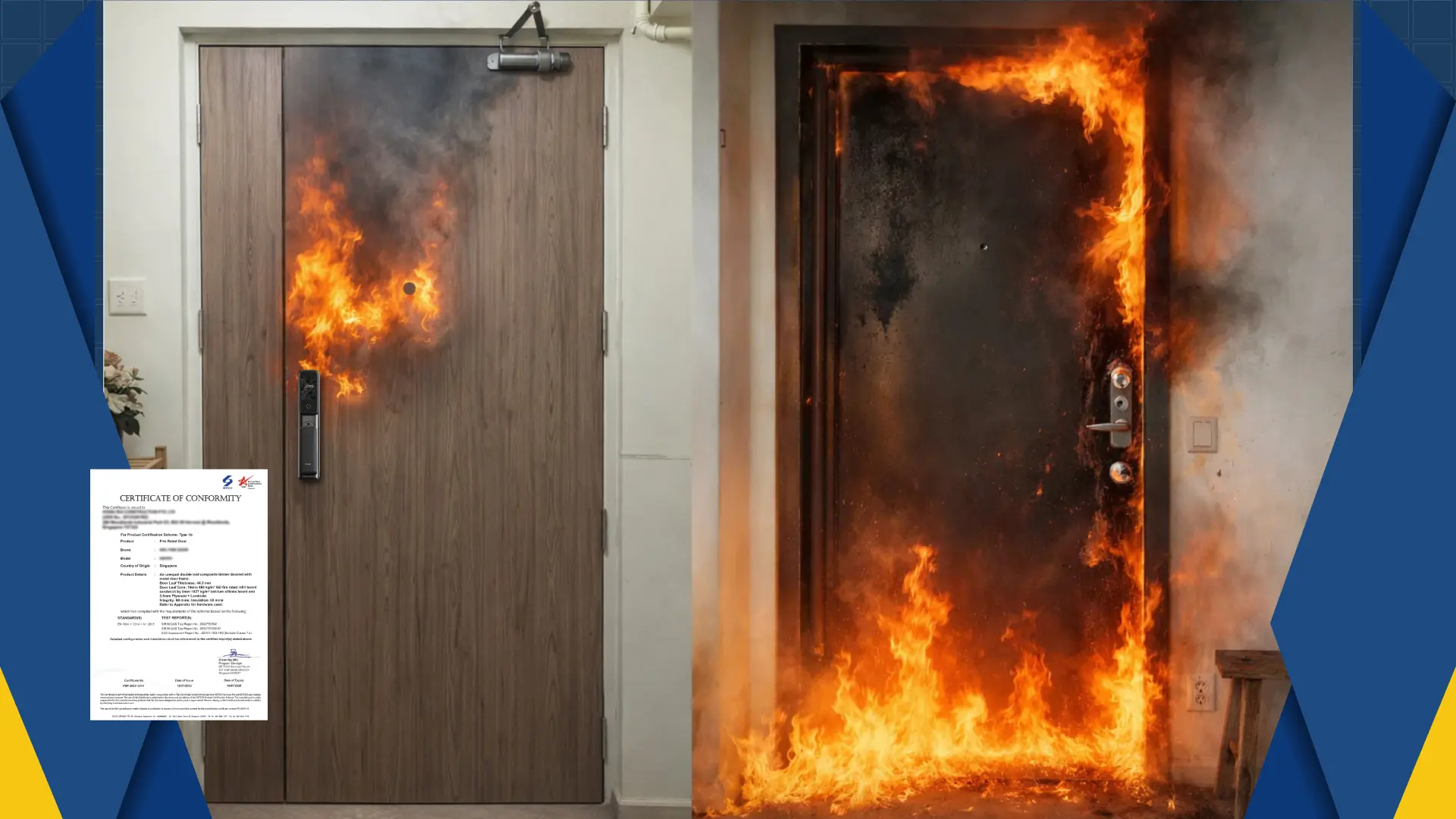
A fire-rated digital lock is tested under temperatures exceeding 800°C by accredited labs like SETSCO. It must maintain the door’s integrity and keep it sealed for the rated duration — typically 30 or 60 minutes. That window of containment is what gives residents time to evacuate and allows SCDF fire officers — who typically arrive within 5 to 10 minutes — to manage the situation before it escalates.
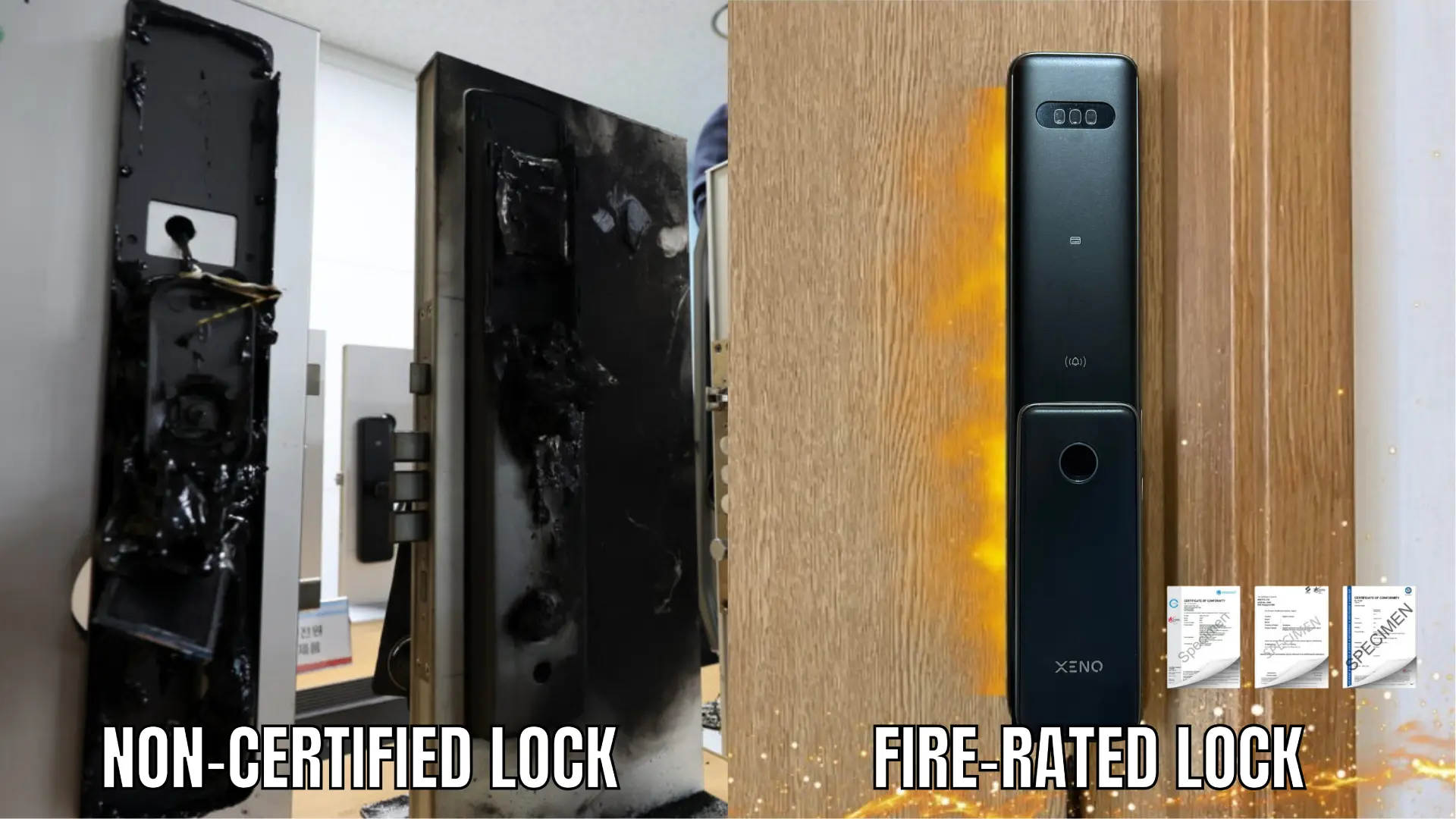
A non-certified lock? Its plastic or low-grade metal components can soften, warp, or fail under extreme heat. When the lock fails, the fire-rated door’s seal is broken. Fire and smoke can breach through. The door that was designed to delay fire spread for 30–60 minutes becomes useless.
❌ Non-Certified Lock
- Plastic parts melt or warp under heat
- Lock fails, breaking the door’s fire seal
- Fire and smoke spread to corridor
- Neighbours’ evacuation route compromised
- Does not comply with SCDF regulations
- Invalidates fire-rated door’s containment rating
✅ COC-Certified Fire-Rated Lock
- Metal/aluminium body tested above 800°C
- Maintains door seal for 30–60 minutes
- Fire and smoke contained within the unit
- Buys time for evacuation and SCDF response
- Full compliance with SS 332 / EN 1634-1
- Certified by SETSCO or equivalent body
The 3-Point COC Verification Checklist
Whether you’re moving into a new HDB BTO flat, upgrading your condo, or replacing an old lock, this checklist takes 2 minutes and could make a critical difference. Use it every time, no exceptions.
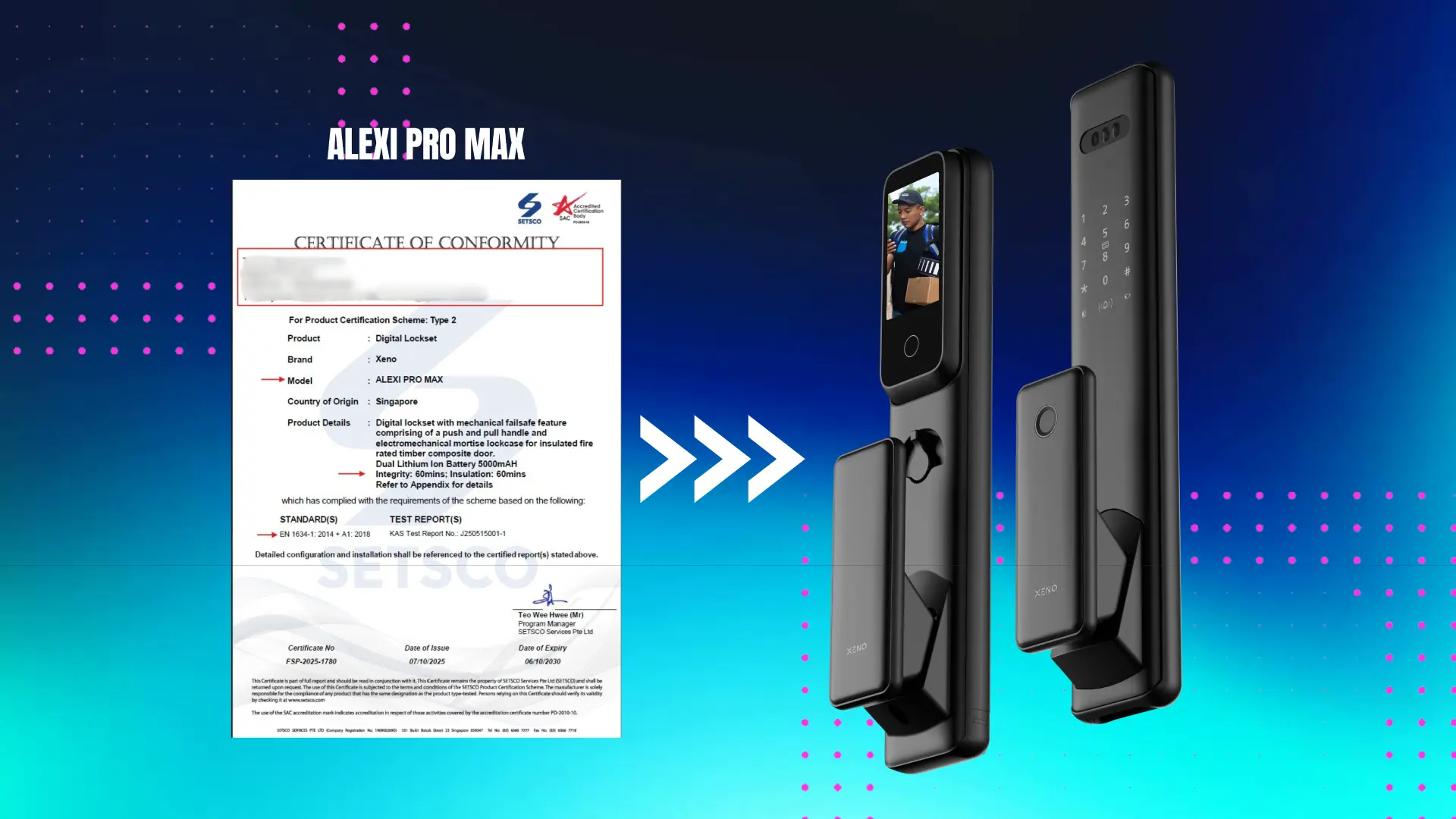
- Demand the COC Certificate: Every compliant fire-rated digital lock in Singapore must come with a valid Certificate of Conformity to SS 332 / EN 1634-1. If the seller or installer cannot produce this document, do not buy. It is a legal requirement under SCDF fire safety regulations — not a nice-to-have.
- Verify the Certification Body: The COC must be issued by one of SCDF’s five recognised certification bodies: SETSCO, Singapore Test Lab, TÜV SÜD PSB, Element Materials Technology, or QAI Singapore. If the certificate comes from an unrecognised body, it is not valid under Singapore standards.
- Check the Fire-Rating Duration: Your lock should be rated for either 30 or 60 minutes of fire resistance. A 60-minute rated lock gives you the maximum window for evacuation and fire officer response. Always confirm this before purchase — especially when buying a digital lock for HDB or condo doors.
Making the Right Choice: What to Look For
After reviewing the fire data and understanding the regulation, the next step is practical: choosing a COC-certified digital lock that meets Singapore standards. There are several certified brands available in the market — the key is to verify certification, check the fire-rating duration, and ensure the lock suits your door type (HDB, condo, or landed).
When evaluating options, look for these essentials: SETSCO or equivalent CB certification, a fire resistance rating of at least 30 minutes (60 minutes is ideal), aluminium or metal construction rather than plastic, a reliable warranty with local support, and smart features that don’t compromise safety.
Xeno Alexi Pro Max
One option that ticks every compliance box is the Xeno Alexi Pro Max — a 60-minute fire-rated digital door lock that is SETSCO tested and COC certified to SS 332 / EN 1634-1. It is built with an aluminium body (no plastic), designed for Singapore’s climate, and comes with 8 access methods including palm vein recognition, 3D face recognition, fingerprint, PIN, RFID, physical key, Wi-Fi app, and optional remote control.
✓ 60-minute fire resistance (SETSCO certified)
✓ Full COC to SS 332 / EN 1634-1
✓ Aluminium body — no plastic components
✓ Palm vein + 3D face + fingerprint unlock
✓ Built-in WiFi — no gateway needed
✓ Video intercom access using mobile app
✓ Synchronised unlock with Xeno X Gate Lock
✓ 2+1 year warranty, free installation
Learn more at xeno.com.sg
Regardless of which brand you choose, the bottom line is simple: do not install a digital lock without verified COC certification. The cost difference between a certified and non-certified lock is small. The difference in fire containment when it matters is not.
The Bottom Line
Two years have passed since Singapore’s SCDF fire-rated digital lock regulation took effect. In that time, the country has recorded over 2,000 residential fires, 174 fire-related injuries, and 13 fatalities. Fire officers respond quickly — usually within minutes. But those first few minutes before they arrive are when your fire-rated door and certified lock do their job: keeping fire contained, delaying smoke spread, and giving everyone in the corridor a chance to evacuate safely.
A fire-rated door without a certified lock is like a safety system with a weak link. The door can withstand fire for 60 minutes. But if the lock melts in 5, the seal is broken, and the door’s containment ability is gone.
Check your digital lock today. Ask for the COC. Verify the certification body. If your current lock is not fire-rated and COC-certified, it may be time to replace it — not because the government says so, but because the data tells you it matters.
Residential Fires (2 Years)
2,019
968 (2024) + 1,051 (2025)
Injuries (2 Years)
174
80 (2024) + 94 (2025)
Fatalities (2 Years)
13
7 (2024) + 6 (2025)
5–10 min
Avg SCDF Response Time
Your door must hold until then